Mare
Pablo Chiereghin, Ryts Monet,
Elisa Parrino Rensovich,
Melissa Peritore, Alberto Storari
05.-13.12.2025
Through the work of five artists and the use of diverse media, the sea is explored as an uncontrollable force, a source of life, and an archive — mutable and nostalgic, a vessel of migration, memory, solitude, and power.
Pablo Chiereghin’s research focuses on social and political dynamics. His actions, performances, interventions are conceived in dialog with the public and find fertile ground where behaviors and rules cause entropy and discrepancies. Born in 1977 in Adria (Ro), Italy. He graduated in Communication Studies in Bologna. Postgraduate in Photography at Central St. Martins, University of Arts of London.
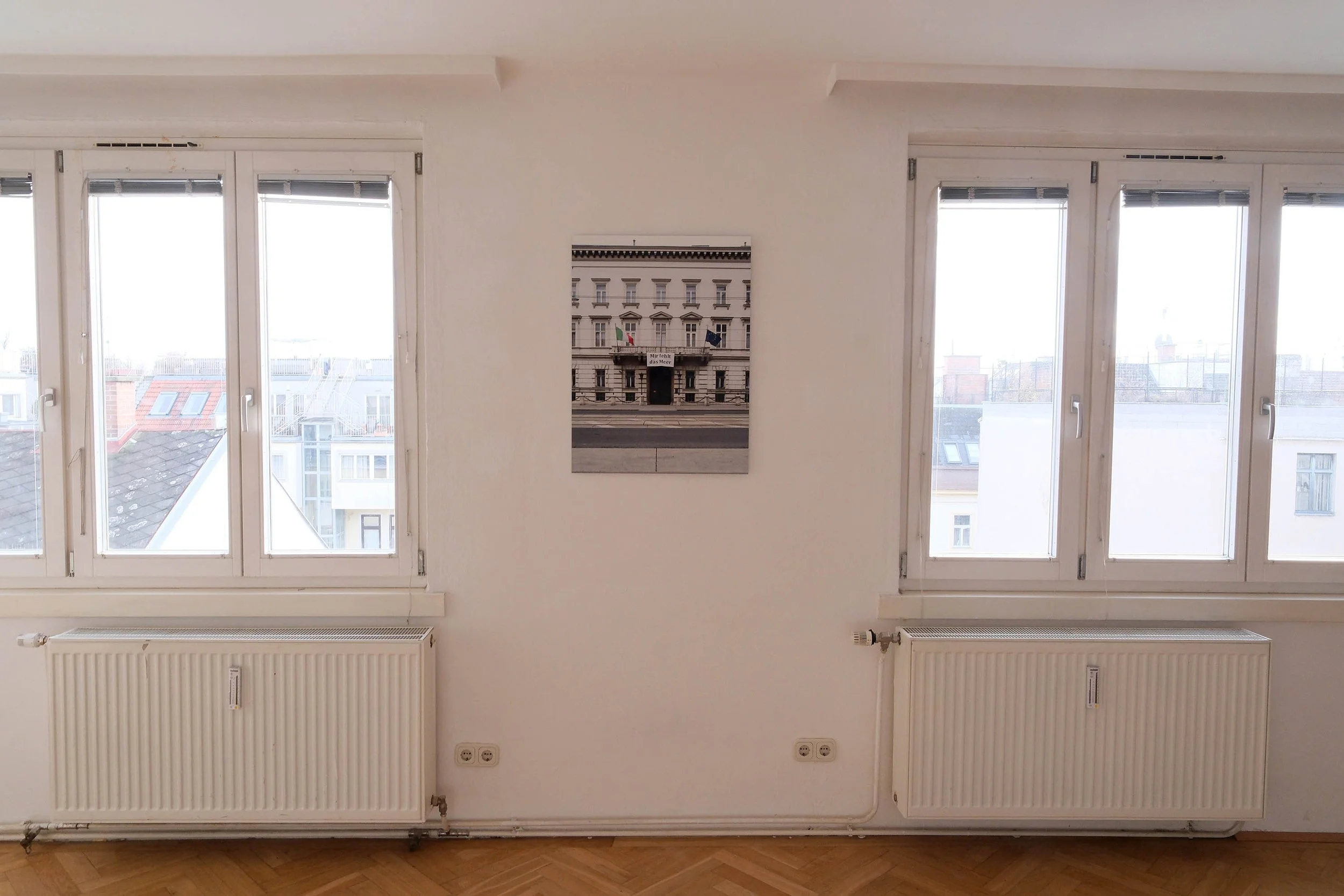
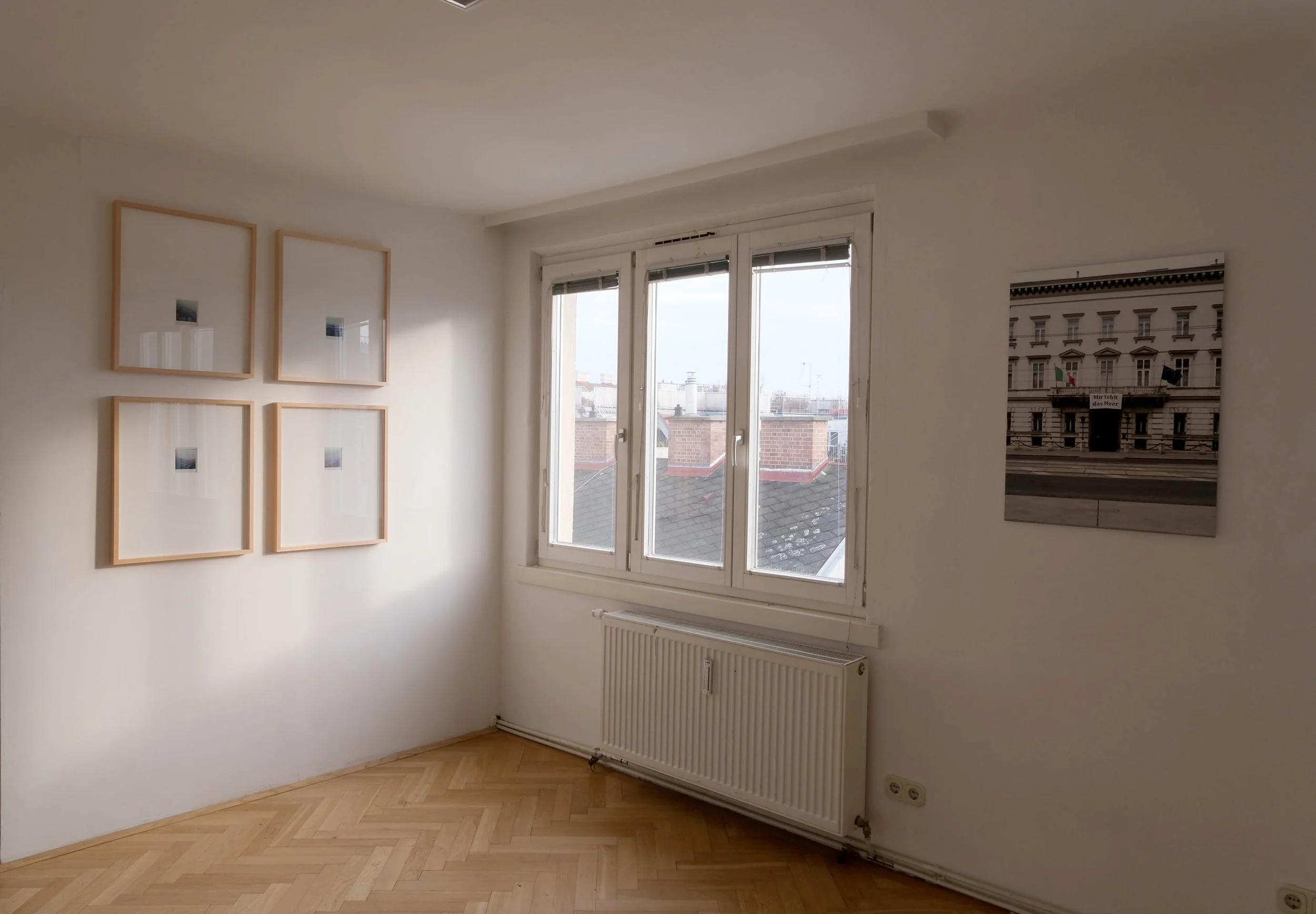
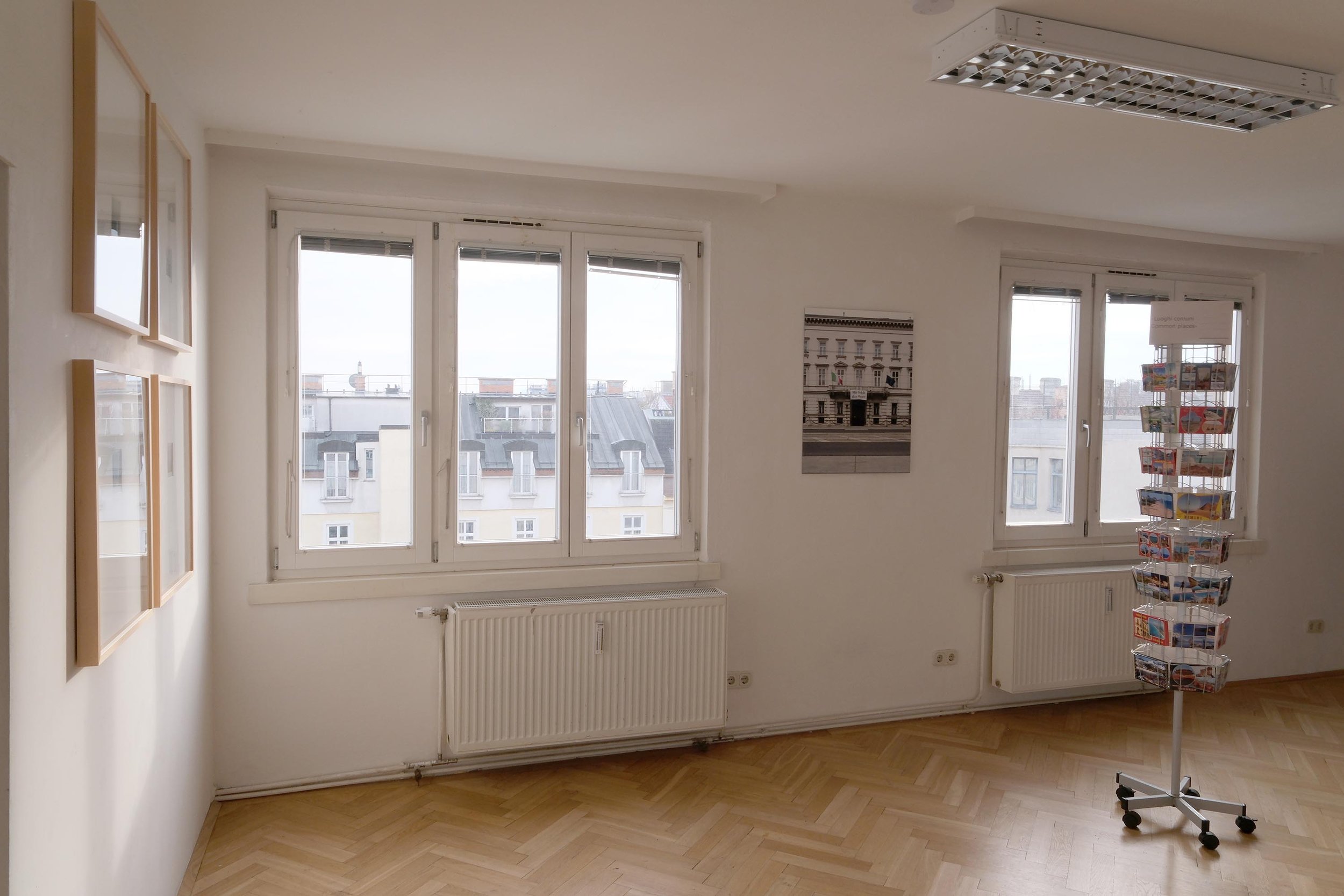
“MIR FEHLT DAS MEER”, is a black on white sentence which hangs on buildings, shopwindows, balconies as a statement a quote of an intimate feeling. The sentence, a simple and general “I” declaration interferes with the everyday life of the passer-by proposing a possible world where desires, needs and dreams are vivid and present. “Das Meer”, is not only a place for leisure, rather a nostalgic memory and an emotional goal for all the people who miss the sea also if they are looking at it.
https://www.pablochiereghin.com/
https://www.instagram.com/pablochiereghin/
Ryts Monet (Enricomaria De Napoli), born in Bari in 1982, lives and works in Vienna. He studied at the University IUAV of Venice, where he graduated with a BA in Visual Arts and specialized in Visual Communication through the MA program. In 2022, Ryts Monet became a regular member of the Vienna Secession.
Ryts Monet’s artistic research focuses on the production of images as a means of exploring cultural frictions, monuments, and symbols of power. He is particularly interested in contemporary and late 20th-century history, with a focus on the expansion and crisis of historical ideologies. His practice often incorporates pre-existing materials such as postcards, stamps, banknotes, as well as digital content, newspaper articles, and other found objects.
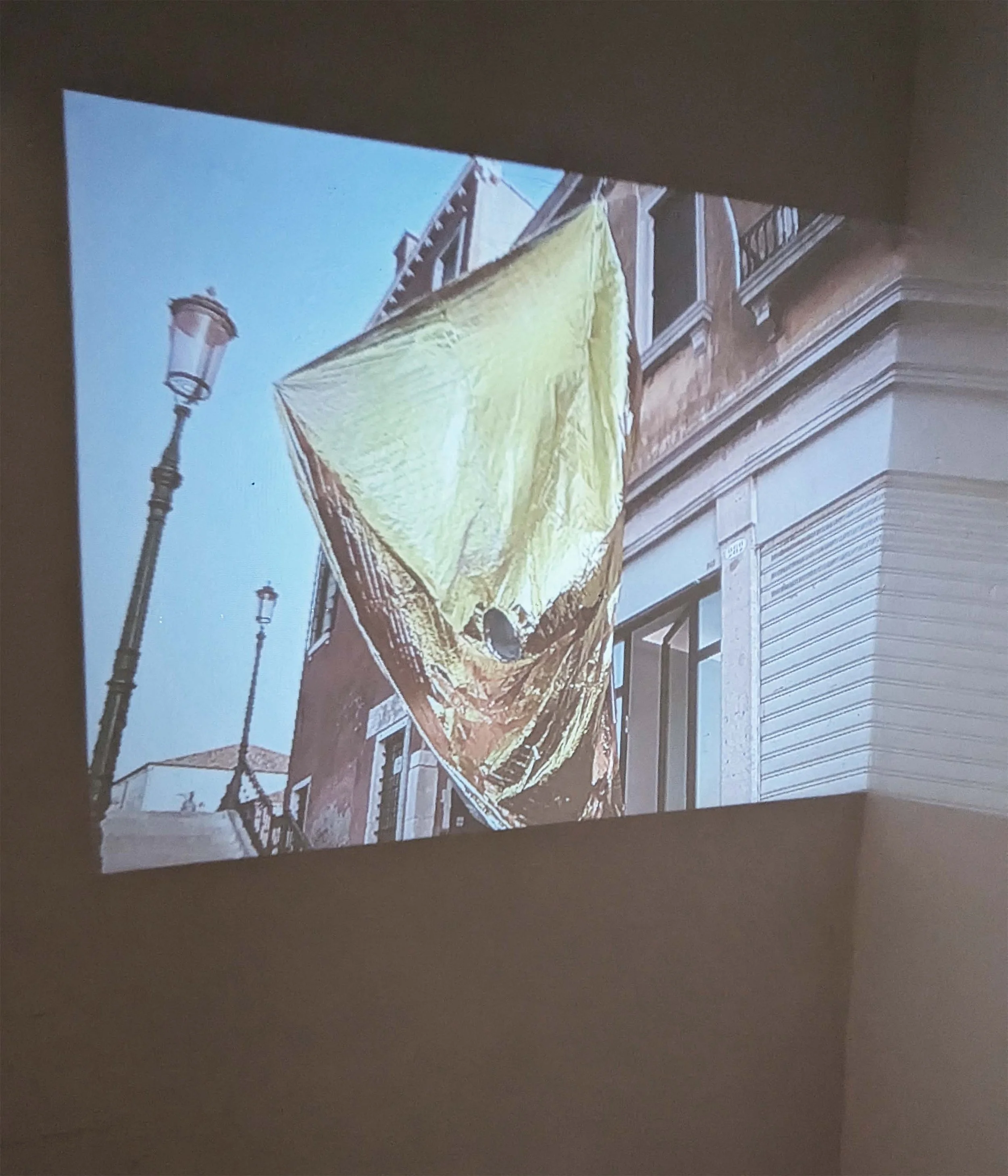
“Sail” is a site-specific installation composed of a sail made of thermal blankets, positioned at the entrance of Galleria Upp in Venice, overlooking the San Marco Basin. The movement of the sail, documented in a video that records its cycle from sunrise to sunset, investigates the relationship between light, wind, and matter. Afterwards, the sail was compressed into a cube, transforming the work into a compact sculpture. The reflective material of the thermal blankets acts as a catalyst, amplifying the refractions of sunlight and the vibrations of the wind.
https://www.instagram.com/rytsmonet/
Elisa Parrino Rensovich born in Turin, in 1985. B.A. in Scenography: Academy of Fine Arts Turin, and Reportage photography at City College of San Francisco in USA. Early in her career she was the recipient of first and third place in two journalism contests in California. She was then the recipient of a grant for a masterclass in Visual-Storytelling with ICP -N.Y. in Turin at Camera Centro Italiano for photography. Her work was exhibited in Italy, Austria and the USA. She currently lives and works in Vienna.
Analogue photography became her preferred medium of work. Allowing her to stretch the use of the medium from storytelling to abstract photography. Her work investigates the notion of pain, loneliness and sorrow as a multifaceted human condition — one that manifests both inwardly and socially, shaping our understanding of vulnerability and resilience.
“The sea” represents the pain born of distance and loneliness — the anguished awareness that there is land, salvation.
Adrift upon its splendour, the sea — magnificent and cruel — becomes both sanctuary and tormentor. It holds within its vastness a fragile thread of hope and the aching sorrow of the shores just beyond your reach.
https://www.elisaparrinorensovich.com/
https://www.instagram.com/fotobaustelle/
Melissa Peritore (b. 1984, Busto Arsizio, Italy) is a Filipino-Italian photographer currently basedin Vienna, Austria. She graduated in photography from the Bauer Institute in Milan (2007). Through her research, she examines cultural perceptions while challenging Eurocentric views of time and culture. Her work invites viewers to question their gaze, confronting cultural intersections in an ever-evolving world.
Her work has been exhibited nationally and internationally in solo and group exhibitions including Fotografia Calabria Festival - Italy (2025), Afro-Asiatischen Institut QL-Gallery - Graz Austria (2025), Verein Fortuna - Vienna, Austria (2024), TANK Festival di Fotografia Analogica - Italy (2023), Casa degli Artisti - Milan, Italy (2022), Preus Museum - Norway (2022), Centro Internazionale di Fotografia - Palermo (2021), Circolo degli Artisti - Rome (2014) and Galleria Ucai - Brescia (2011).
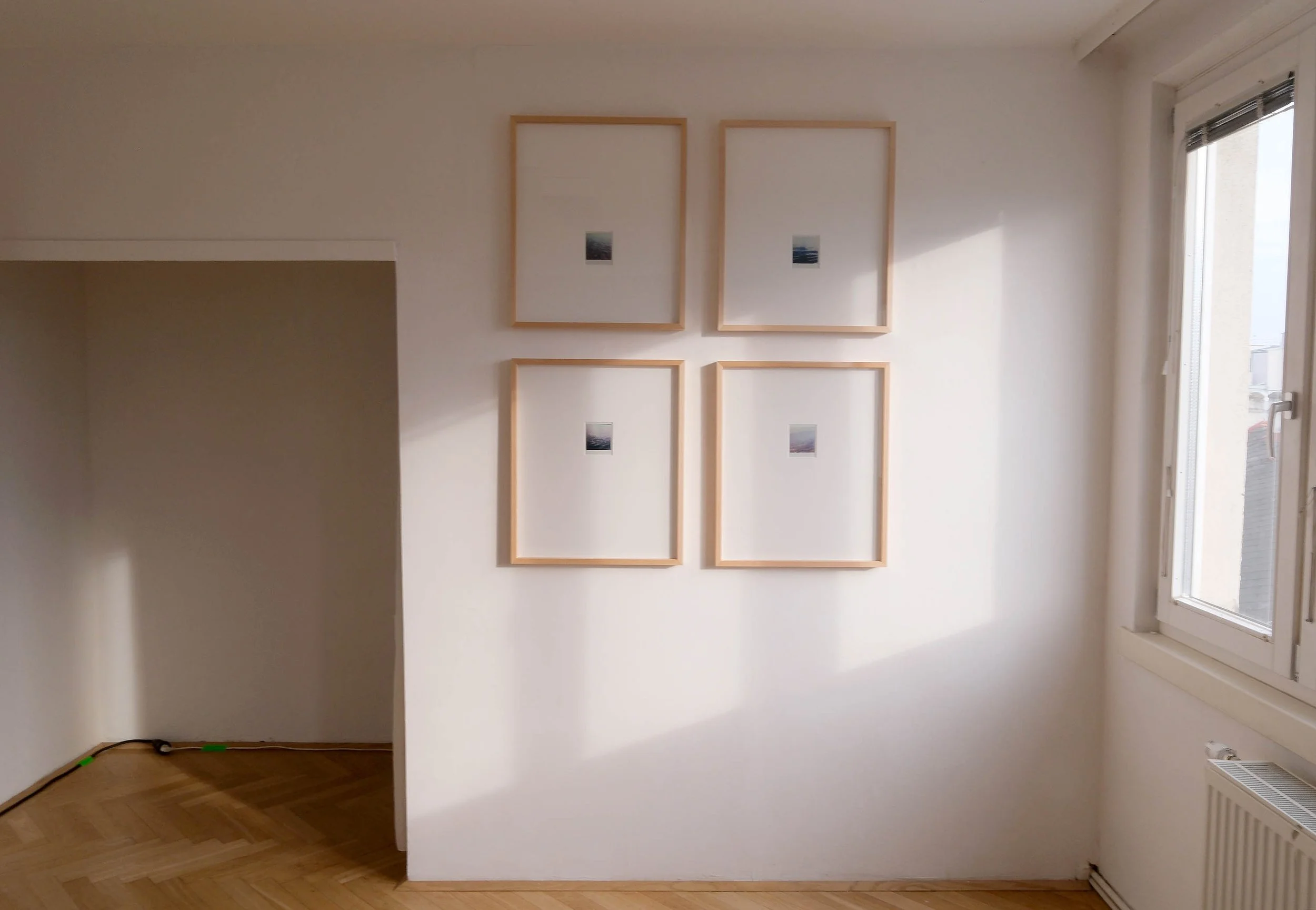
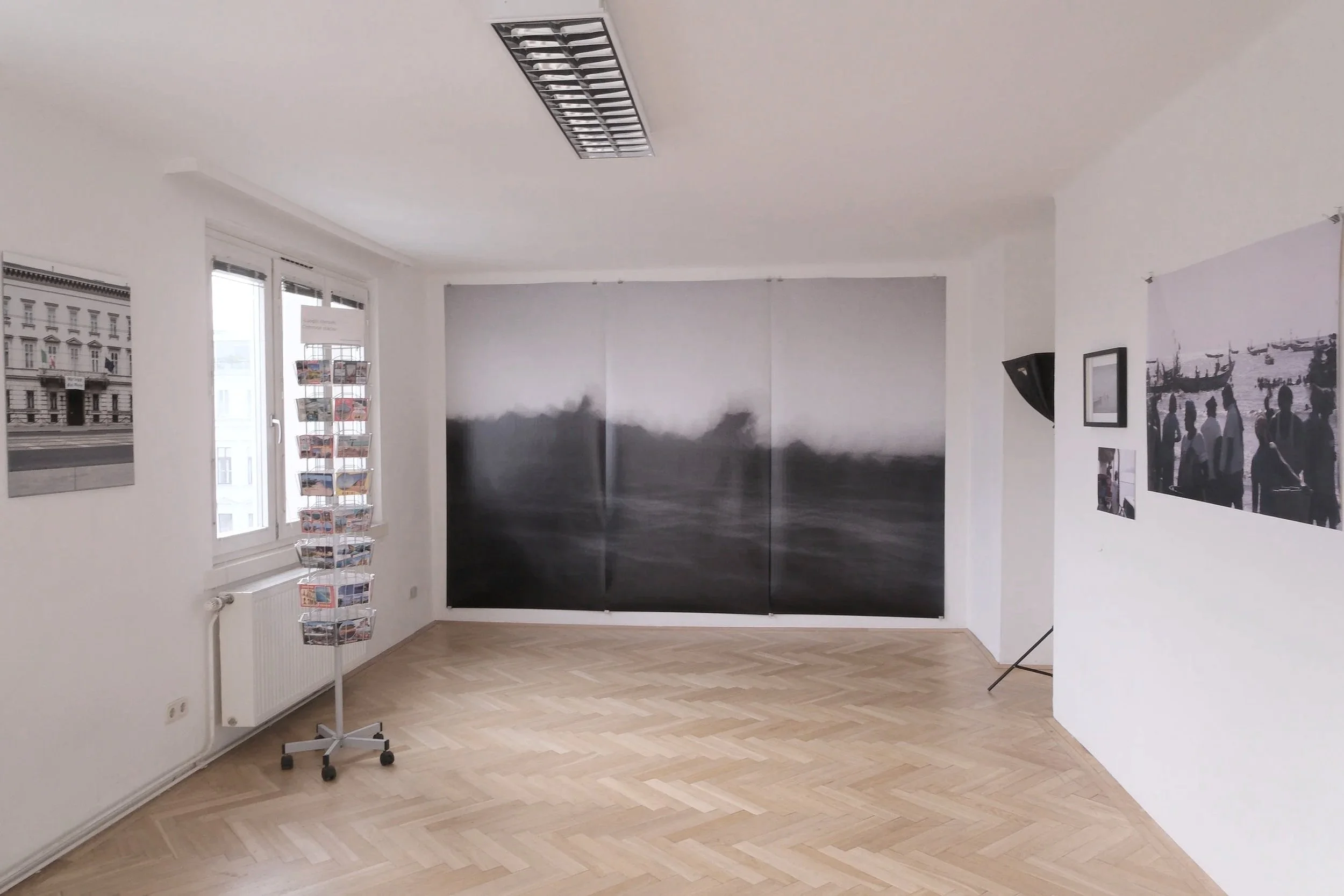
“The Gambia.” The photographs — taken at James Island, the Banjul ferry, and Tanji fishing village — trace the shifting tides of Gambia’s coast, where histories of departure and return still converge. Inspired by Momodou Sallah’s poem “Barca or Berserk,” the work reflects on the sea as both route and reckoning — the same waters that once carried enslaved bodies now bear those seeking new horizons.
https://www.instagram.com/melissaperitore/
Alberto Storari was born in Verona (IT) in 1975 and currently lives and works in Vienna.
He studied Painting at the Academy of Fine Arts in Bologna. At present, he teaches Painting and Artistic Processes at the Kunstschule Wien and works as an artist in cooperation with galleries and institutions in Austria, Italy, and France. My work is primarily associated with the concept of discovery, the short circuit between the expected and the unexpected generally triggers amusement among viewers.
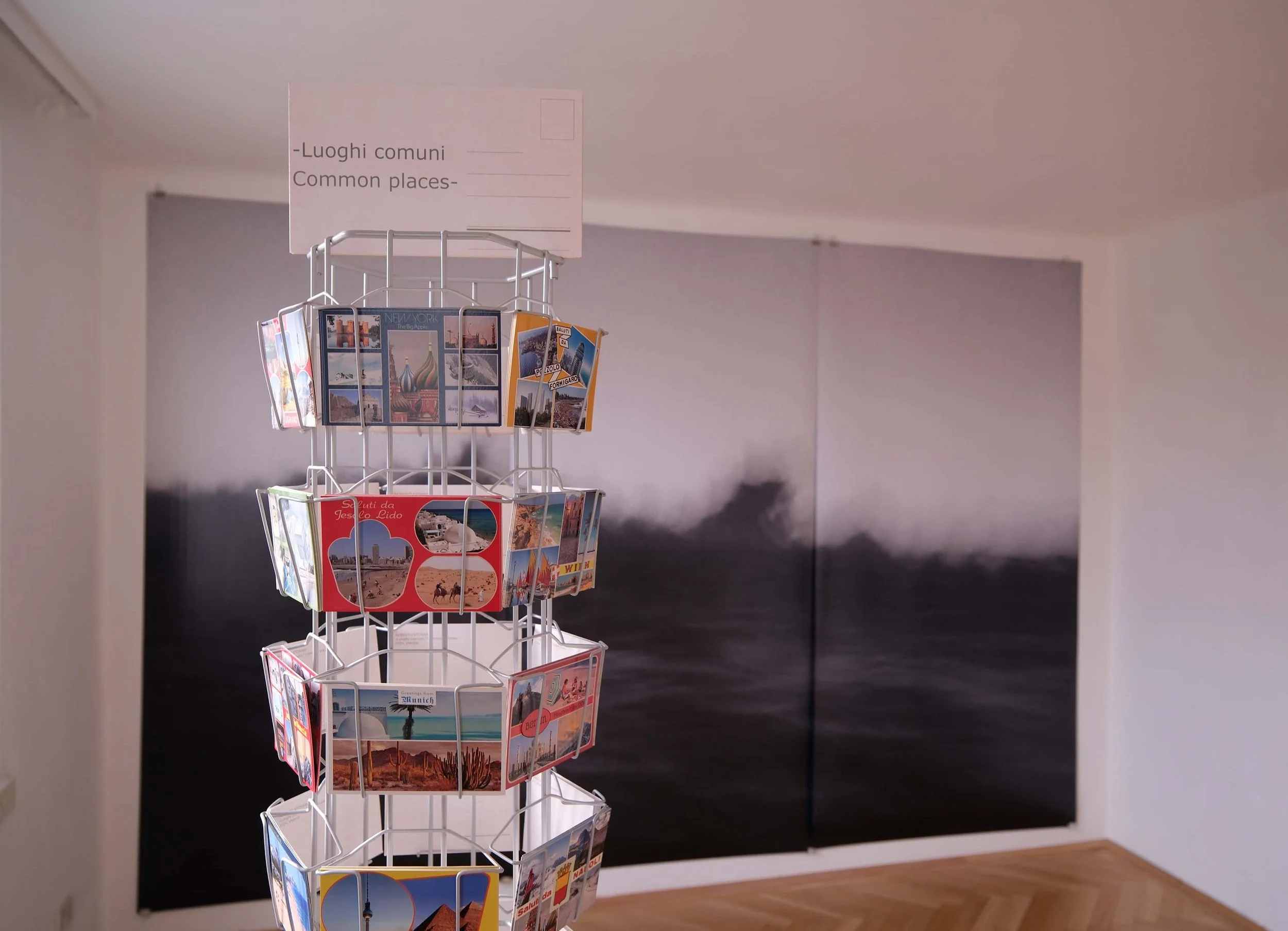
‘Luoghi Communi/Common Places’ consists of a series of postcards based on historical graphics, but altered at the image level. The 48 motifs, one for each of the pockets, are printed in the ‘classic’ 10x15 cm format on semi-rigid cardboard and are displayed in a standard metal rotating display, similar to the setting of a souvenir shop. I am my place, my community and its customs. But what if these roles did not apply at all? Let us imagine for a moment breaking this chain and noticing that the world presents itself quite differently.
Various media and formats Photos 1-6: Melissa Peritore